

From ashes to awe is a phrase that signifies the idea of something beautiful or inspiring arising from a state of destruction, devastation, or extreme hardship. It ultimately represents refinement, renewal, and resilience in adversity. It captures the concept that a low place becomes the birthing place for something extraordinary. What was once marked by tears of despair is now celebrated with tears of wonder and awe.
Ashes can be understood as loss, destruction, and suffering, while awe represents wonder, amazement, and beauty.
Many wonder why God allows us to suffer, and many wrestle and struggle when faced with suffering; we don’t talk much about how to suffer well. Our natural response and instinct to suffering is to run from or get out of it. Sometimes, we think the only comfort found is in a change of circumstances, but God wants to comfort, console, and refine us right in the midst of our difficult circumstances, and to do it through Jesus Christ. So, it’s not the suffering that matters most, but who you become through it. It’s about what God does and wants to do through you when you invite Him into your pain.
The intent of this conversation is not to minimize our suffering but to learn to draw closer to God, to deepen our reliance upon Him, and to allow Him to console us in our suffering. Here, we rise from the ruins, transforming from ashes to awe, evolving into something remarkable. Suffering and glory are deeply connected.
What Is Glory?
We are talking about the eternal glory believers can look forward to. We wish the calling to His eternal glory had a “non-suffering” option, but that’s not God’s plan. The term eternal means lasting or existing forever, and this glory entails the purified character, perfected humanity, complete victory, reflecting the glory of God, the immediate and constant presence of God, and enjoyment of God Himself.


How God Use Our Suffering as Tools for Glory?
- We can find glory in our trials, as they create opportunities to develop perseverance, which in turn builds character, fuels growth, and leads to maturity. Suffering is God’s pattern and plan, building one virtue upon another (Read Romans 5:3-5).
- Helps us resist sin (1 Peter 4:1). Bearing suffering for Jesus Christ generally changes our outlook on sin. It is not to say that you no longer commit any act of sin. Instead, you are no longer dominated by the power of sin.
- Its part of God’s process of perfecting, confirming, strengthening, and establishing you. Peter knew what followers of Jesus faced and prayed that God would work in and through us (1 Peter 5:10).
A Catalyst for Prayer
There is something unique about suffering; it can provoke a significant change and action that turns us to prayer. As mentioned, our natural response and instinct to suffering is to run from or get out of it. But what would happen if we really allowed our suffering to cause us to cry out in prayer and worship? What would happen if we remembered God and His greatness in our suffering?

I know this isn’t always easy, but let’s consider Jesus. Who knew great pain and suffering (both physically and emotionally) during His life. Yet Jesus had never known separation or isolation from God His Father. In His pain on the Cross, Jesus remembered God and His greatness. Are we exempted from crying out to God because of our suffering? Jesus knew that his present agony did not change God’s holiness. I want you to believe that you could endure anything if you enjoyed the conscious presence of God. Set your focus on the presence of God in the crisis and not the change of your situation.
The book of Psalms captures David’s prayers and worship during times of suffering, we see a heart devoted to God. Prayer is not to be a religious form with no power. The power lies within the Holy Spirit. So who does God want you to become through the power of prayer?
Our Suffering Plays a Role In Our Becoming
Everything in your life—every circumstance, every trial, every blessing—is designed to mold you into the person God has called you to be. God’s aim is for us to become more like Christ in every area of our lives. While we may prefer shortcuts, He is the God of process.
Let’s focus on how it prepares us for the next stage of our lives. Ask yourself:
- Do I have the character to sustain me for the next season?
- Do I have the patience to raise children?
- Do I have the integrity to remain uncompromised?
Our suffering is not a sign that God has abandoned you; it is an opportunity for growth, refinement, and greater dependence on Him. I encourage you to find the lesson God is teaching you in this season. You cannot fully understand how God wants to use your suffering unless you draw intimately close to Him.
1 Bonus Things to Do
#1 Seek the Word of God.
Allow the Holy Spirit to comfort you and the angels assigned to minister to you (Hebrews 1:14 and Psalm 91:11).
Here are some scriptures to turn to for specific challenges:
- Depression and Anxiety: Mark 9:24, Joshua 1:9
- Infertility: Reflect on the stories of Sarah, Rebekah, Rachel, and Hannah
- Persecution: Matthew 5:10–12, Romans 8:38-39
- Low Moments: Isaiah 41:10, Psalm 23, Psalm 34:17, Isaiah 40:31
- Grief: Matthew 5:4, Psalm 34:18
- Betrayal: Start with Matthew 6:14-15. Betrayal can be very wounding if not taken to God.
- Serious Illness: Find all the scriptures on healing. Begin with 1 Peter 2:24, Isaiah 40:29, Jeremiah 17:14
When you do this, you remind yourself that God will never leave or forsake you. His Word is a lamp to your feet and a light to your path (Psalm 119:105).
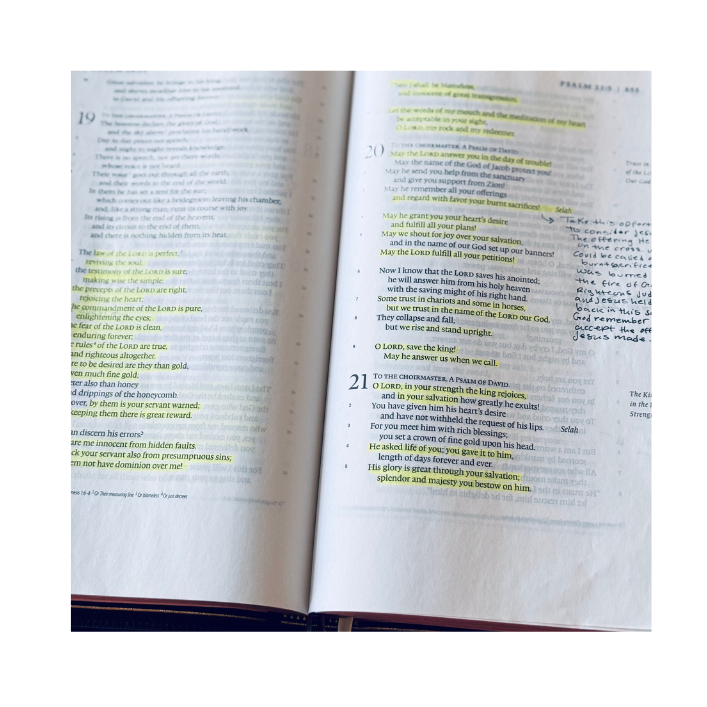
Scriptural Examples:
Job: It’s all about suffering, and you can see how Job responds to suffering. As the reader, we have a view of the scene in heaven that was unseen to Job and others, which means we are unaware of the events in spiritual realm.
Jesus’ Suffering: Jesus can identify with us because he shared in human suffering. His suffering, tests, and temptations allowed Him to understand, empathize, and help us (Hebrews 2:17-18, Hebrews 4:15-16). Through Jesus, we learn how to respond to suffering. Christ’s suffering on the cross was the greatest demonstration of God’s glory (John 12:23-24).
Apostle Paul: In Romans 8:18, Paul shares his perspective on suffering because he knew suffering more than any of us today, but the future glory far outweighed the present suffering.
The Final Words
Our suffering has redemptive purposes (1 Peter 1:6-7), and earthly suffering connects to eternal glory. Suffering is the root; glory is the flower. When compared to eternity, our afflictions are but brief moments. John 17 reveals Jesus’s expectation for His immediate disciples to live as He did: suffer in this world, be sustained by the Father through His Word, and enter glory afterward. This is the same expectation He has for us (John 17:20).
Every extraordinary story is rooted in a journey of triumphant perseverance, overcoming countless challenges. Your story is unique, and there is a purpose in your existence.
This post was all about drawing near to God in our suffering.
Thank You
We hope you loved exploring this topic with us. We pray it blessed you to surrender, dwell, and abide in God’s Presence. Now, it’s your turn— try implementing one of these tips this week. Leave us a comment below, and let’s keep the conversation going!
Stay Connected: Subscribe today and join the newsletter sent every first Monday of each month. Don’t miss a blog, which is released every Tuesday.